ExecuTorch 1.0 moved its edge runtime out of beta with broader platform work
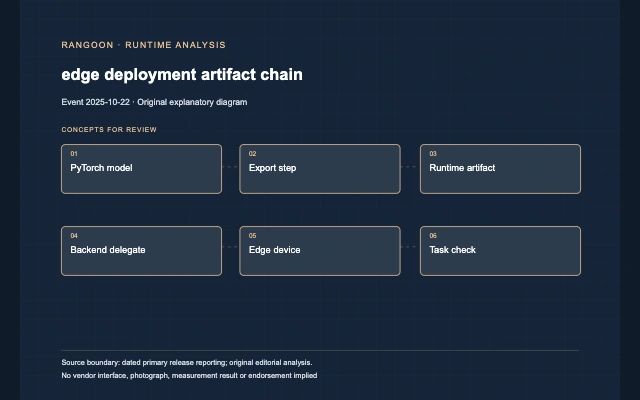
PyTorch announced ExecuTorch 1.0 on October 22, 2025, pairing production-readiness claims with new multimodal APIs, backend packaging and platform support.
Read analysisInsight tag
13 related stories.
PyTorch announced ExecuTorch 1.0 on October 22, 2025, pairing production-readiness claims with new multimodal APIs, backend packaging and platform support.
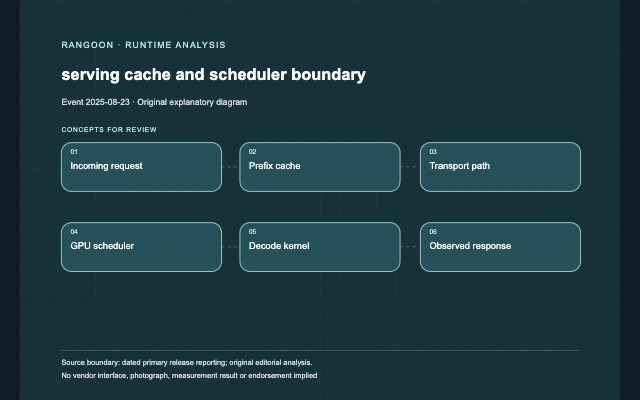
Read analysisSGLang released version 0.5.1 on August 23, 2025, including HiCache NIXL connector work, CUDA-graph capture changes and new runtime integrations.
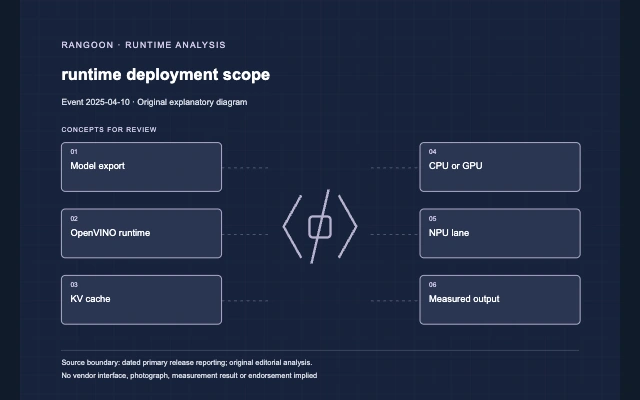
Read analysisOpenVINO 2025.1 was released on April 10, 2025 with GenAI integrations, token-eviction preview work and text-generation NPU acceleration claims.
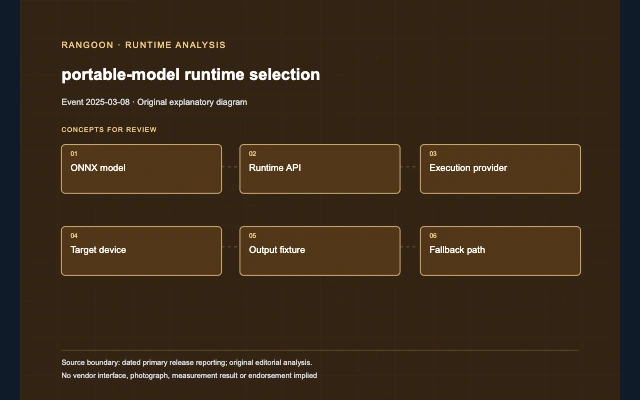
Read analysisONNX Runtime 1.21.0 was released on March 8, 2025 with chat mode, decoder-pipeline work, WebGPU fixes and notable execution-provider changes.
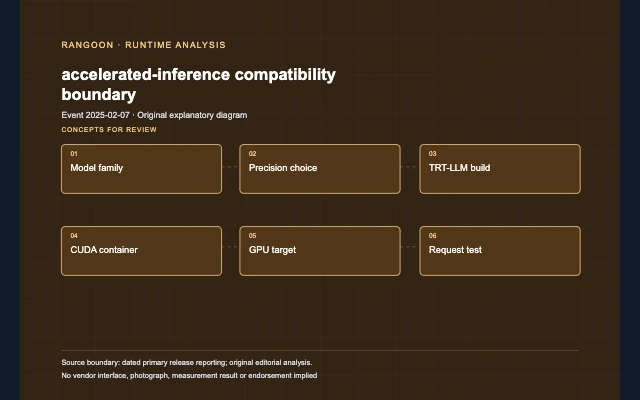
Read analysisNVIDIA released TensorRT-LLM 0.17 on February 7, 2025 with scoped Blackwell support, NVFP4 work and an experimental PyTorch workflow.
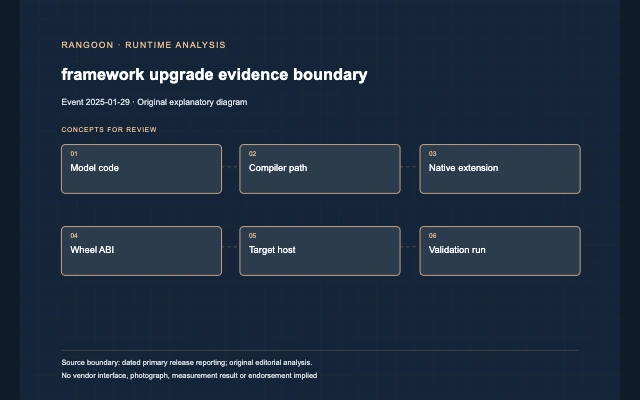
Read analysisPyTorch 2.6 arrived on January 29, 2025 with Python 3.13 compiler support, AOTInductor work and a consequential shift in official package distribution.
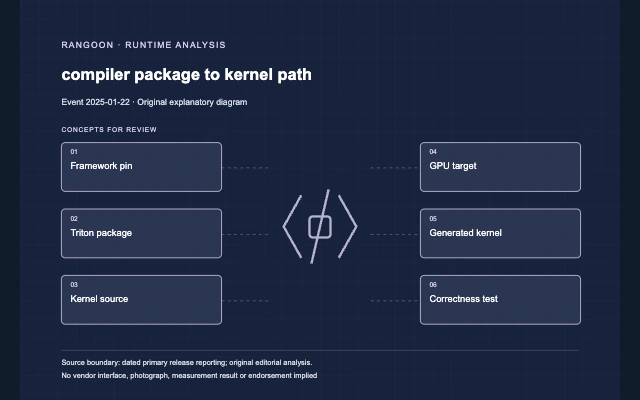
Read analysisTriton 3.2.0 appeared on PyPI on January 22, 2025, with five Linux x86-64 wheels for CPython 3.9 through 3.13 and a matching promotion tag.
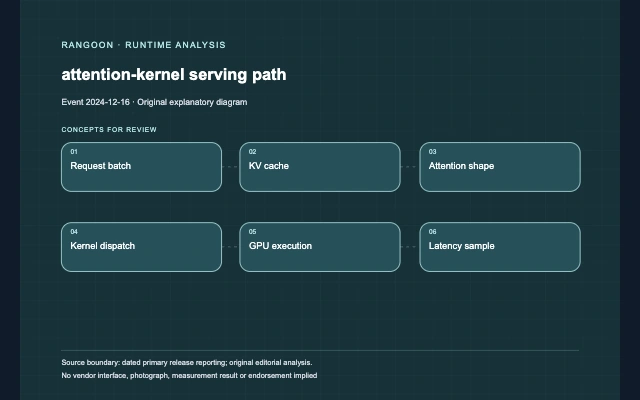
Read analysisFlashInfer announced version 0.2 on December 16, 2024, adding FlashAttention-3 templates, JIT variants and Multi-head Latent Attention decoding support.
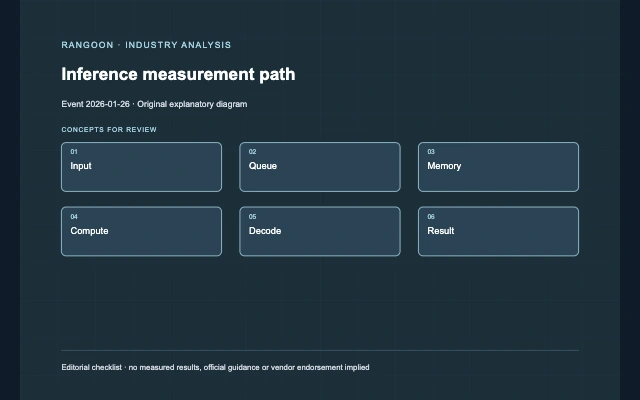
Read analysisMicrosoft introduced the Maia 200 AI accelerator on January 26, 2026, describing an inference-focused Azure system with FP8 and FP4 support and 216GB HBM3e.
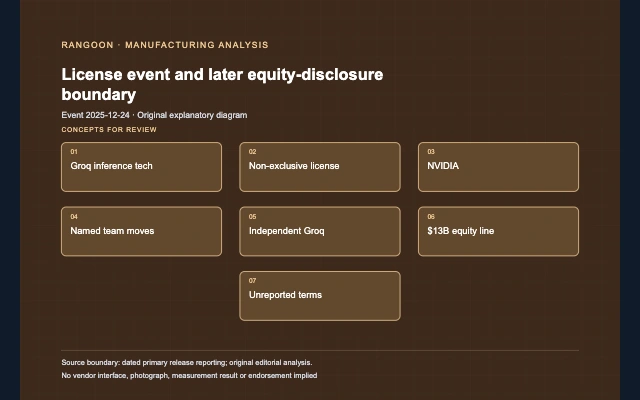
Read analysisGroq announced a non-exclusive Nvidia licensing agreement on December 24, 2025 for its inference technology, while saying Groq and GroqCloud would continue operating independently.
Read analysisGoogle said Ironwood TPU was generally available on November 25, 2025, following its April introduction and a November 6 announcement that availability was coming in weeks.
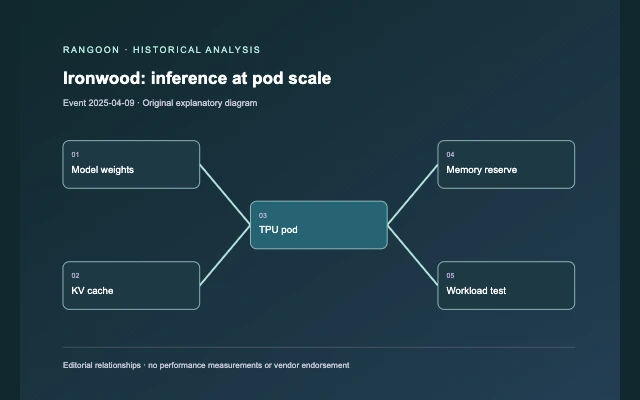
Read analysisGoogle introduced its seventh-generation Ironwood TPU in April 2025 as an inference-focused system with 256- and 9,216-chip pod configurations, not a general-availability event.
Read analysisNVIDIA introduced Dynamo in March 2025 as open-source inference-serving software, offering a documented replacement for an unsupported Docker Sandboxes historical event.
Read analysis