GLM-4.7 made preserved thinking a named control for multi-turn coding agents
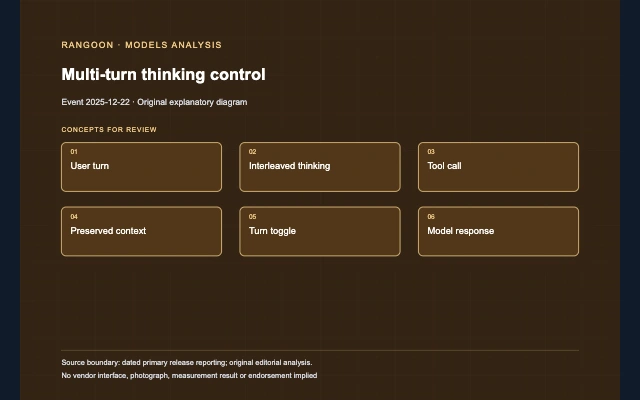
Z.ai released GLM-4.7 on December 22, 2025, pairing open model weights with interleaved, preserved, and turn-level thinking controls for agent workflows.
Read analysisInsight tag
12 related stories.
Z.ai released GLM-4.7 on December 22, 2025, pairing open model weights with interleaved, preserved, and turn-level thinking controls for agent workflows.
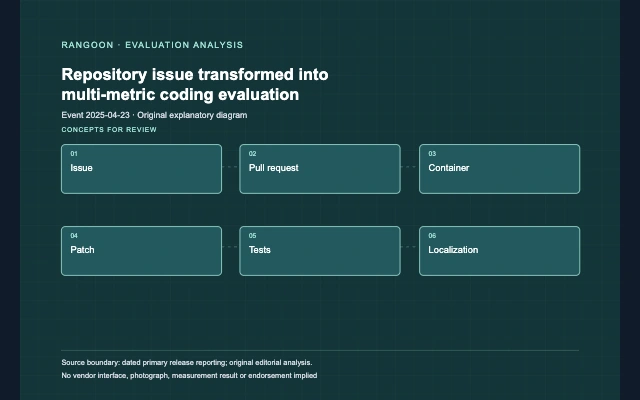
Read analysisAmazon introduced SWE-PolyBench on April 23, 2025, with 2,110 repository issues across Java, JavaScript, TypeScript and Python.
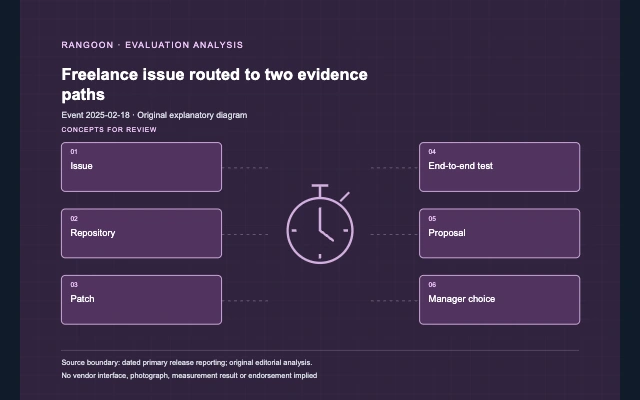
Read analysisOpenAI introduced SWE-Lancer on February 18, 2025, using freelance software tasks, end-to-end tests and manager-choice evaluations.
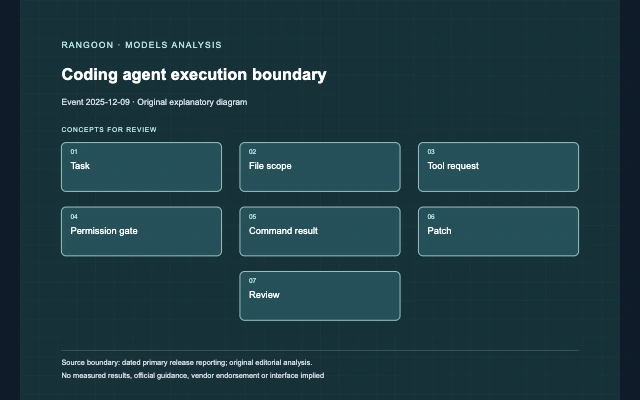
Read analysisMistral released Devstral 2 on December 9, 2025, introducing 123B and 24B coding models with distinct licenses and the Mistral Vibe CLI.
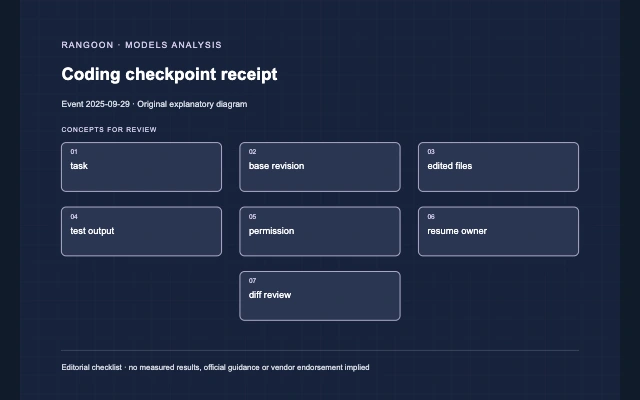
Read analysisAnthropic introduced Claude Sonnet 4.5 on September 29, 2025, alongside product changes including checkpoints, context editing, memory, and an Agent SDK.
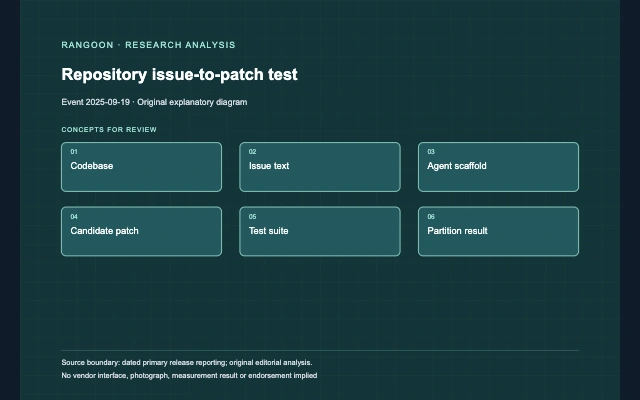
Read analysisScale AI introduced SWE-Bench Pro on September 19, 2025, a 1,865-problem coding-agent benchmark spanning public, held-out, and commercial repositories.
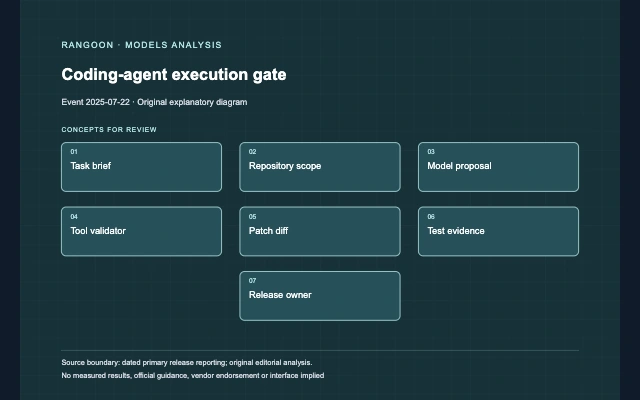
Read analysisQwen released Qwen3-Coder on July 22, 2025, introducing a 480B-parameter MoE coding model and the Qwen Code command-line tool.
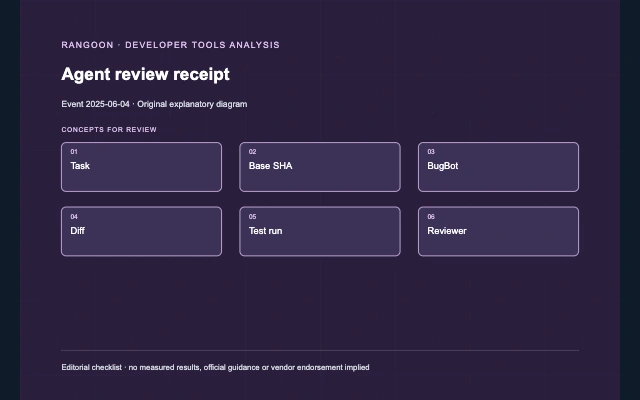
Read analysisCursor’s June 4, 2025 1.0 release combined BugBot review, broader Background Agent access, project memories and one-click MCP setup.
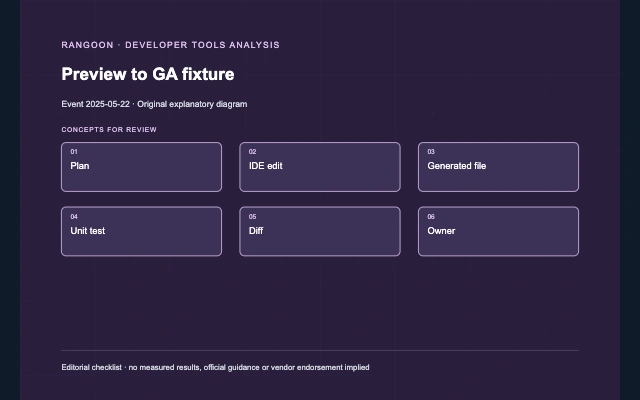
Read analysisAnthropic announced Claude Code general availability on May 22, 2025 alongside Claude 4, native IDE integrations and GitHub Actions tasks.
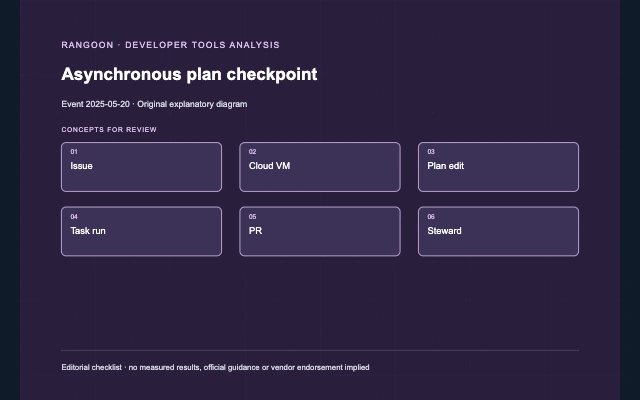
Read analysisGoogle put Jules into public beta on May 20, 2025 as an asynchronous coding agent with cloud execution, plans and GitHub integration.
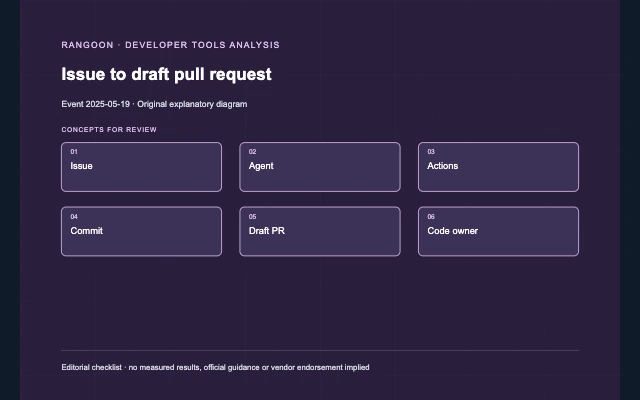
Read analysisGitHub introduced Copilot coding agent on May 19, 2025, with GitHub Actions execution, draft pull requests and existing repository policies.
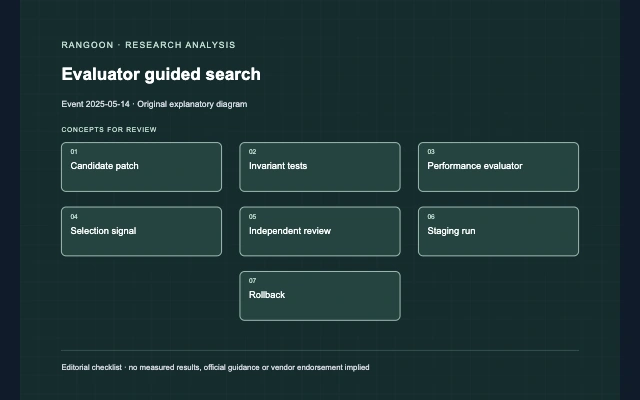
Read analysisGoogle DeepMind introduced AlphaEvolve in May 2025 as an evaluator-guided coding agent, making correctness checks and objective design central to claims of algorithmic improvement.
Read analysis