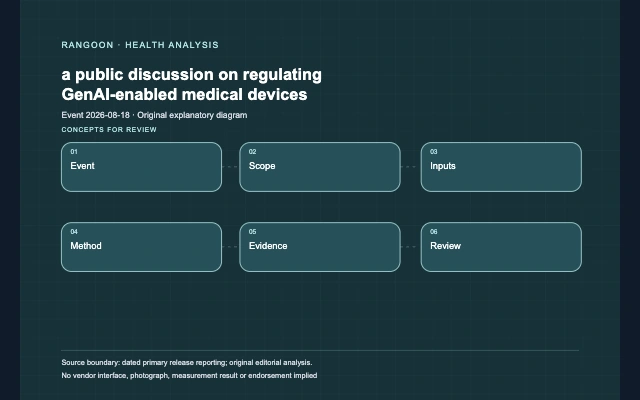
FDA opened a public discussion on regulating GenAI-enabled medical devices
FDA issued a GenAI-enabled medical-device discussion paper on August 18, 2026, seeking public input on risk, premarket evaluation and postmarket monitoring.
Read analysisInsight tag
24 related stories.
FDA issued a GenAI-enabled medical-device discussion paper on August 18, 2026, seeking public input on risk, premarket evaluation and postmarket monitoring.
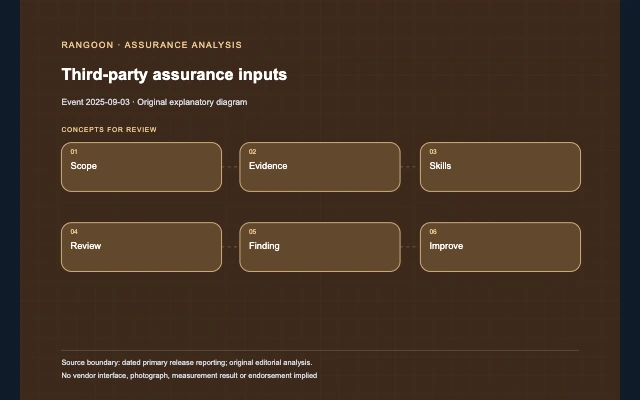
Read analysisThe UK published a third-party AI assurance roadmap on September 3, 2025, setting out government actions and future-market infrastructure rather than a new audit certification.
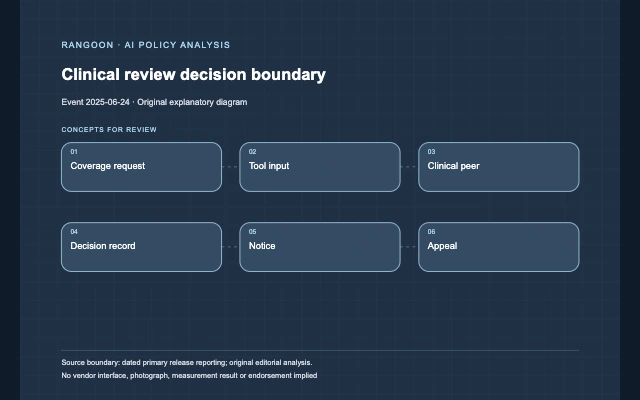
Read analysisConnecticut signed SB 10 on June 24, 2025, barring health carriers from using AI or another algorithm instead of clinical-peer review for adverse determinations.
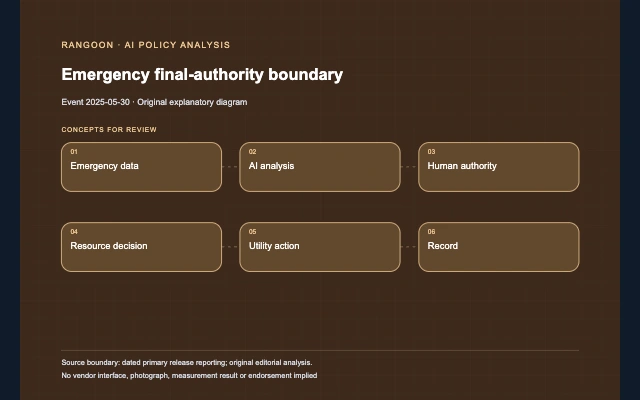
Read analysisNevada approved AB 325 on May 30, 2025, barring AI from making final emergency-response resource decisions and utility shutoff decisions during a disaster or emergency.
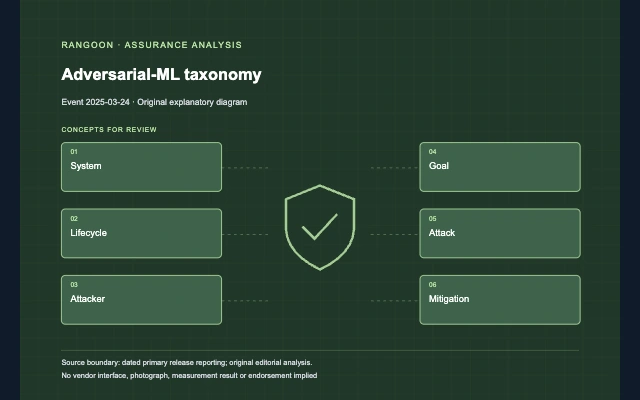
Read analysisNIST published AI 100-2e2025 on March 24, 2025, organizing adversarial-machine-learning attacks and mitigations while leaving risk tolerance to the context of each use case.
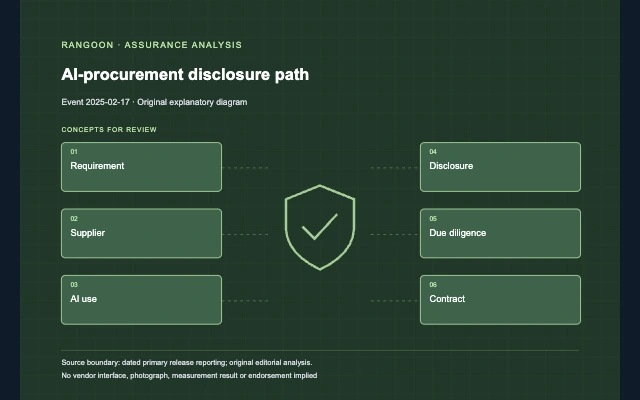
Read analysisThe UK’s February 17, 2025 PPN 017 update retained optional questions for surfacing AI use while aligning terminology and timing with the new procurement regime.
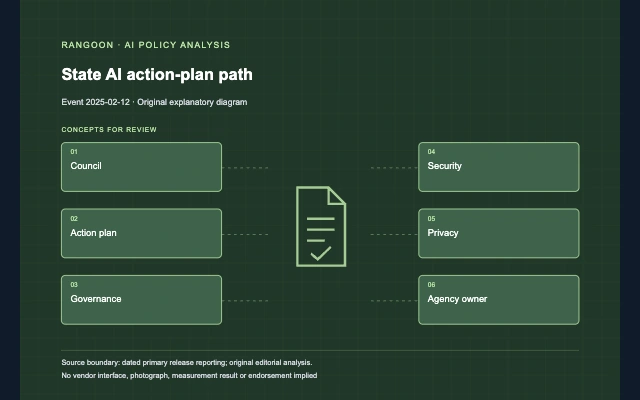
Read analysisGovernor Tina Kotek announced Oregon’s final state-government AI action plan on February 12, 2025, linking governance, security, privacy and workforce recommendations.
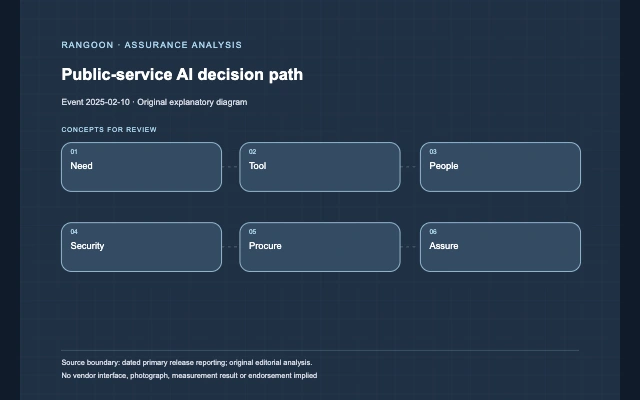
Read analysisThe UK’s February 10, 2025 AI Playbook updated earlier generative-AI guidance with ten principles for public-sector AI selection, deployment and assurance.
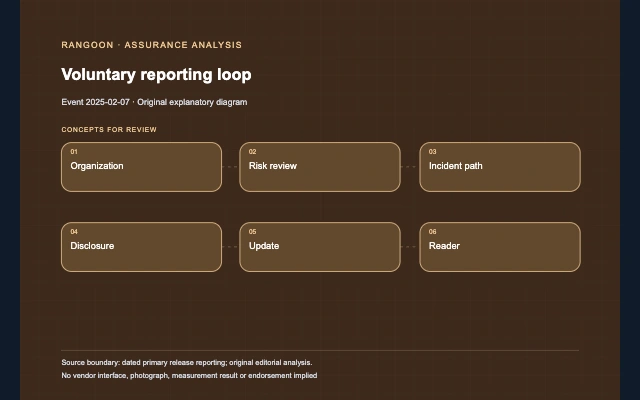
Read analysisOECD launched a Hiroshima AI Process reporting framework on February 7, 2025, inviting advanced-AI organizations to disclose risk-management practices in a shared format.
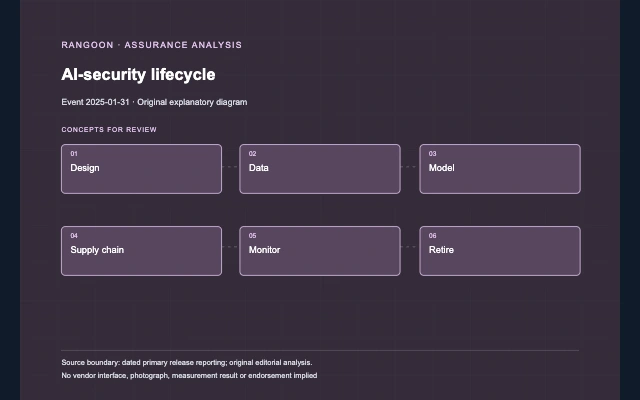
Read analysisThe UK published its AI Cyber Security Code of Practice on January 31, 2025, pairing voluntary principles for developers and operators with a practical implementation guide.
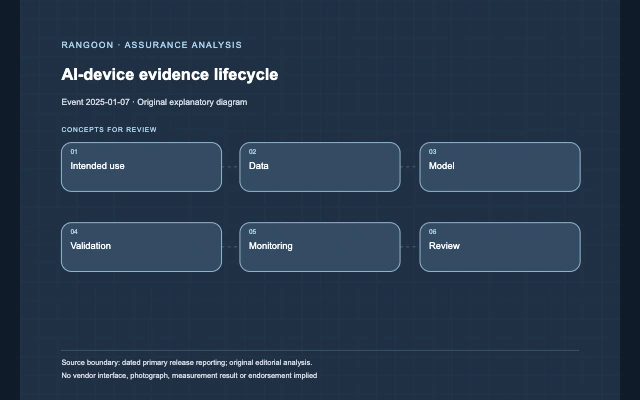
Read analysisFDA’s January 7, 2025 draft proposed lifecycle and submission documentation for AI-enabled devices, but it was nonbinding draft guidance rather than a new enforceable rule.
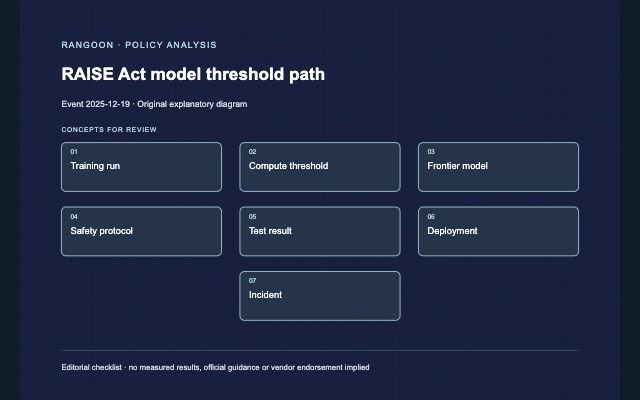
Read analysisNew York Governor Kathy Hochul signed the RAISE Act, S6953B/A6453B, on December 19, 2025; the enacted text sets an effective date 90 days later.
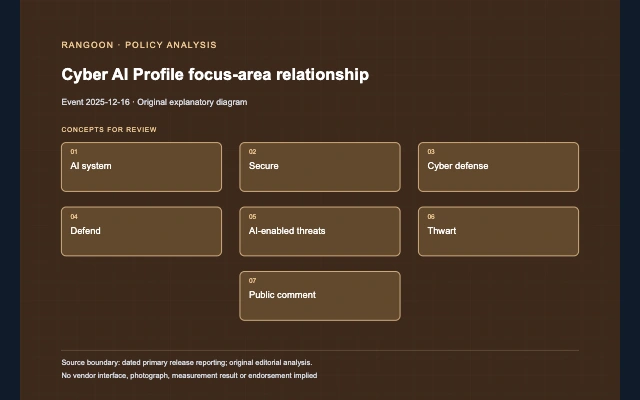
Read analysisNIST released its preliminary Cyber AI Profile on December 16, 2025, framing AI cybersecurity around securing systems, defending with AI, and thwarting AI-enabled attacks.
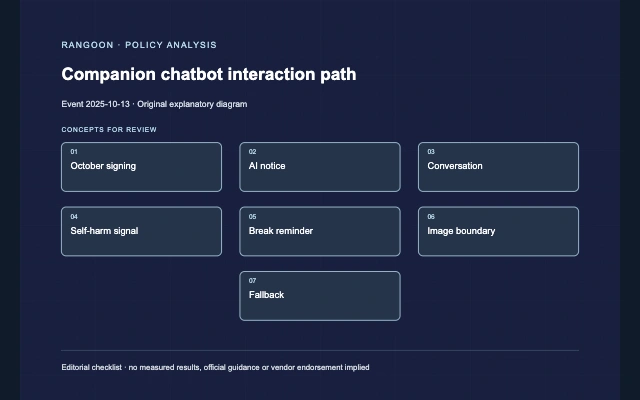
Read analysisGovernor Gavin Newsom announced the October 13, 2025 signing of California SB 243, describing companion-chatbot safeguards aimed at protecting children online.
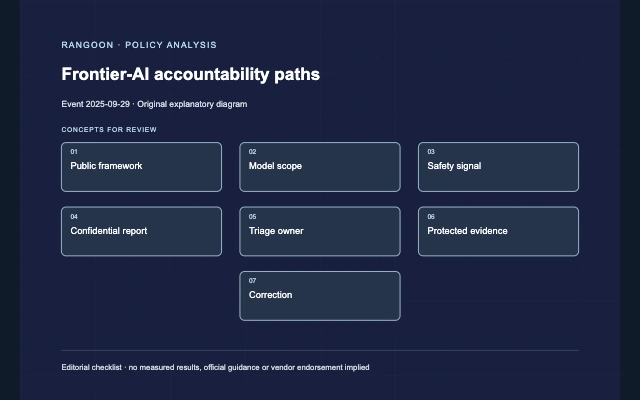
Read analysisCalifornia signed SB 53 on September 29, 2025, establishing a frontier-AI transparency framework with reporting duties and whistleblower protections.
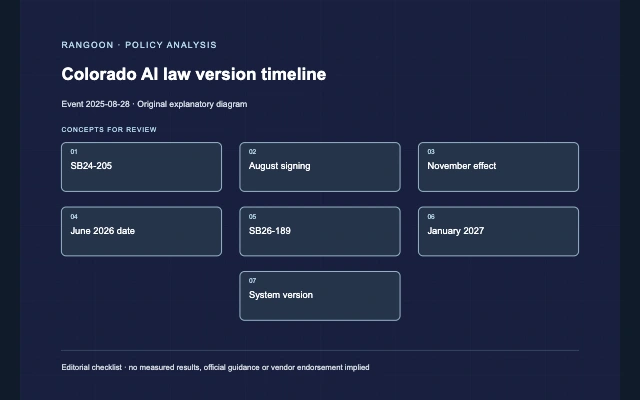
Read analysisColorado Governor Jared Polis signed SB25B-004 on August 28, 2025, extending the prior AI Act’s requirements to June 30, 2026 before a later 2026 replacement law.
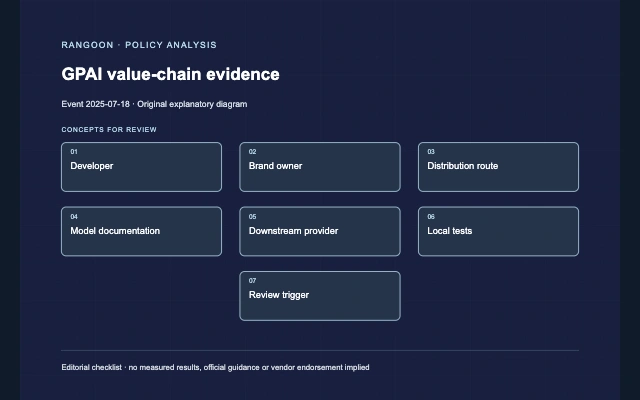
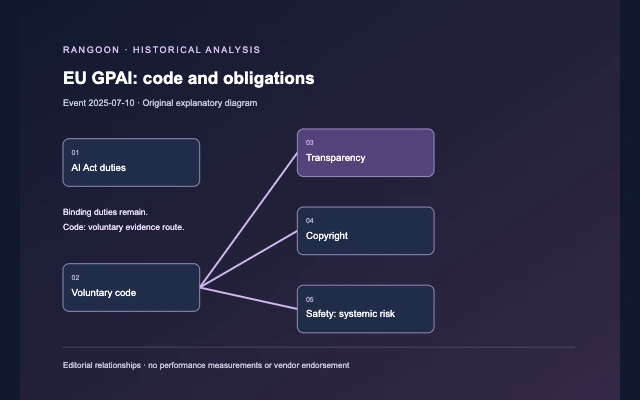
Read analysisThe European Commission published GPAI-provider guidelines on July 18, 2025, clarifying scope ahead of August obligations and distinct from the July 10 voluntary code.
Read analysisThe European Commission received the General-Purpose AI Code of Practice in July 2025 as a voluntary tool, distinct from the AI Act obligations it was designed to address.
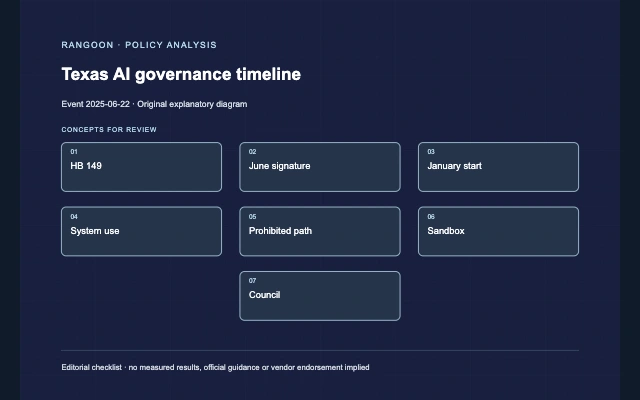
Read analysisTexas Governor Greg Abbott signed HB 149 on June 22, 2025, setting January 1, 2026 as the effective date for the Texas Responsible AI Governance Act.
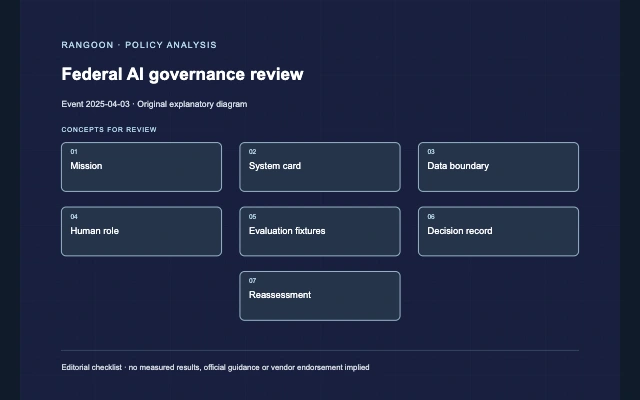
Read analysisOMB Memorandum M-25-21, dated April 3, 2025, gave executive-branch agencies guidance on accelerating AI use through innovation, governance and public trust.
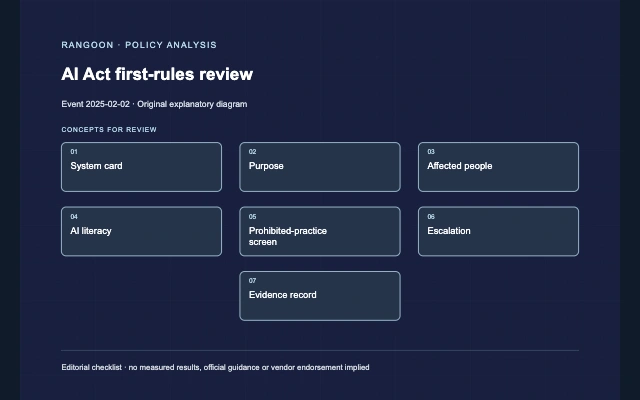
Read analysisEU AI Act prohibitions, definitions and AI-literacy provisions started applying on February 2, 2025, creating a dated review point for providers and deployers.
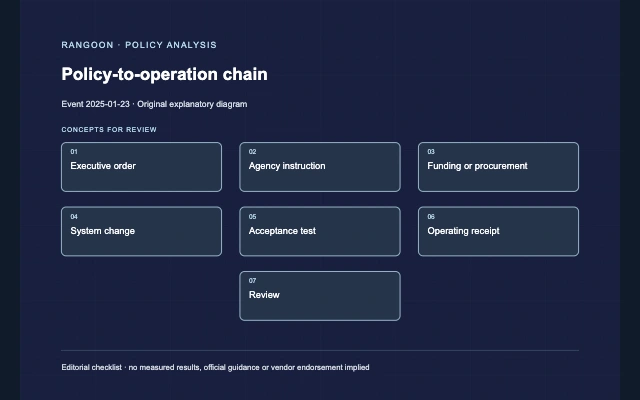
Read analysisExecutive Order 14179, issued January 23, 2025, revoked specified prior AI policy actions and directed development of an AI Action Plan within 180 days.
Read analysisAnthropic announces a Singapore office and government MOU. Analysis separates international cooperation from workload approval, processing-location evidence and agent authority.
Read analysisExecutive Order 14434 changes executive-branch terminology to Super Intelligence and SI. Agencies still need separate controls for systems, data and execution authority.
Read analysis